Practical Steps to Evaluate and Work With an HVAC Contractor Year-Round
Starting any HVAC project benefits from a clear scope that defines comfort goals, timelines, and constraints. Homeowners and small businesses should assess square footage, occupancy patterns, and ventilation needs before inviting bids. Establish baseline data by noting current system age and known trouble spots. This groundwork helps contractors right-size proposals, avoids vague estimates, and sets expectations for staging work with minimal disruption to daily routines.
Next, verify licensing, insurance, and relevant certifications to validate competency and coverage. Ask for documentation that confirms the firm’s ability to handle residential and commercial systems without overextending. In practice, this screening narrows choices to teams that have invested in training and safety. Transparent paperwork also streamlines permitting and inspections later, protecting your project schedule from delays related to compliance gaps.
Meanwhile, request a detailed load calculation rather than a one-size-fits-all replacement. Pros should inspect ducts, envelope sealing, and attic insulation to refine recommendations. A thorough site visit often reveals airflow bottlenecks, mismatched equipment, or outdated controls. Beyond that, quality contractors document findings with photos and notes, making it easier to compare proposals on apples-to-apples terms and to plan phased upgrades if budgets require spreading work across seasons.
Budgeting strategies should align with lifecycle costs, not just sticker prices. Evaluate energy use, maintenance intervals, and projected repair contingencies over ten or more years. Then weigh equipment tiers, filtration needs, and smart thermostats against climate realities and utility incentives. Good planning buffers against surprise expenses by including allowances for ductwork adjustments, pad replacements, and electrical upgrades that frequently surface during installation and startup.
Scheduling decisions benefit from seasonal timing. Spring and fall shoulder periods can reduce lead times and allow crews to stage deliveries, pre-assemble components, and sequence trades efficiently. However, emergencies happen, so it’s wise to pre-validate vendor availability and establish a service pathway. Having a maintenance plan in place ensures priority response while keeping routine tune-ups on the calendar, sharpening system reliability ahead of temperature extremes.
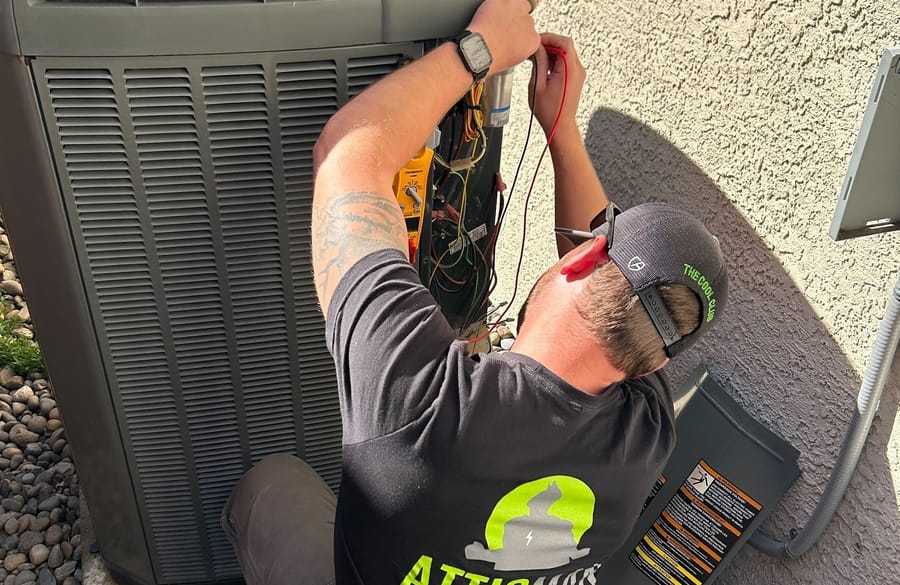
Quality control hinges on clear milestones. Insist on a written startup checklist that covers refrigerant charge, airflow balancing, combustion analysis for heating equipment, and control calibration. Technicians should record measurements and verify model and serial numbers for warranty registration. In practice, this documentation supports future diagnostics, improves accountability, and helps you track how adjustments impact comfort, humidity, and noise over time.
Vendor fit goes beyond technical skill. Ask how the team handles attic access, ladder safety, dust containment, and property protection. Crews that stage drop cloths, protect landscaping, and manage debris signal respect for your space. Finally, confirm communication channels for change orders and punch-list items. A responsive point of contact shortens feedback loops and reduces rework when unexpected conditions surface behind walls or in crawlspaces.
Long-term performance depends on balanced maintenance. Plan filter changes, drain line cleaning, and coil washing on a fixed cadence. Many owners pair semiannual service with light duct inspections to catch leaks early and maintain static pressure targets. Consider how insulation upgrades complement system sizing, reducing run times and stabilizing indoor conditions. Such coordination extends equipment life while supporting indoor air quality and lower utility bills.
Project delivery should include a thorough handoff. Ask for manuals, warranty terms, and a one-page quick-start guide for thermostats and zoning. Then review what to watch after the first week: unusual sounds, short cycling, or uneven rooms. If issues appear, document them with dates, photos, and room temperatures. This record helps technicians isolate causes quickly, whether tied to AC repair, installation and maintanence, or simple control settings.
Finally, think holistically about adjacent systems. Water heaters, ventilation, and envelope improvements interact with heating performance and overall comfort. Validating combustion air and draft, sealing attic bypasses, and balancing return paths can unlock quiet, efficient operation. Approaching the HVAC contractor landscape as a lifecycle partnership turns one-time projects into steady gains, reducing stress while keeping spaces dependable through seasonal swings.